What you get with our abstract reasoning practice tests
When you practise with Practice Aptitude Tests, you get access to realistic abstract reasoning assessments designed to reflect the tests used by employers in real recruitment processes.
What is abstract reasoning?
Abstract reasoning, or abstract thinking, is the ability to understand and reason unfamiliar concepts in the absence of physical data, concrete phenomena, or specific instances. Abstract reasoning involves problem-solving, logical, and strategic thinking.
Abstract reasoning tests explained
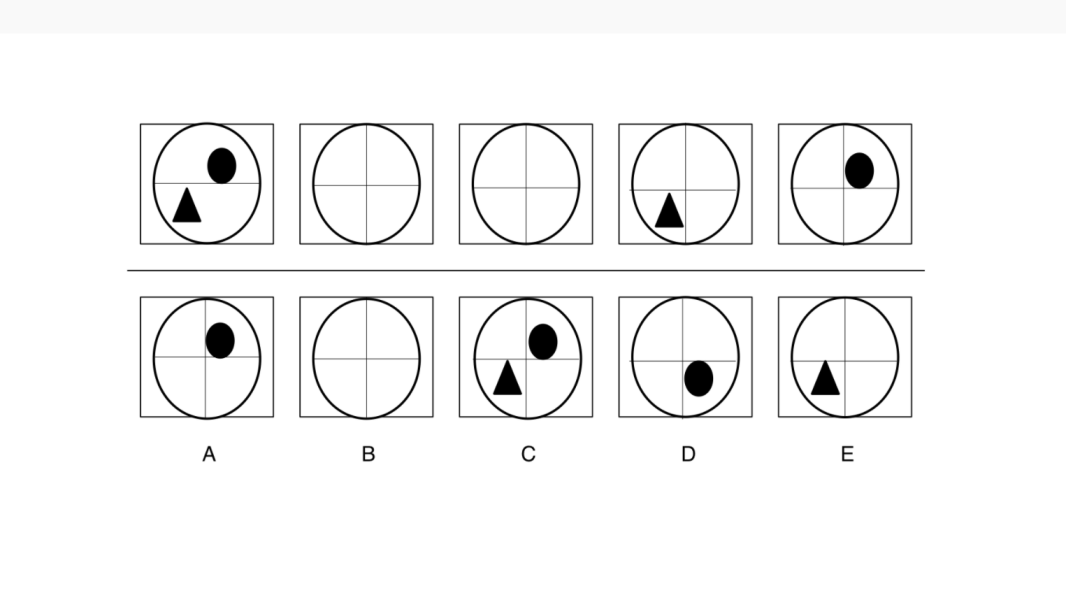
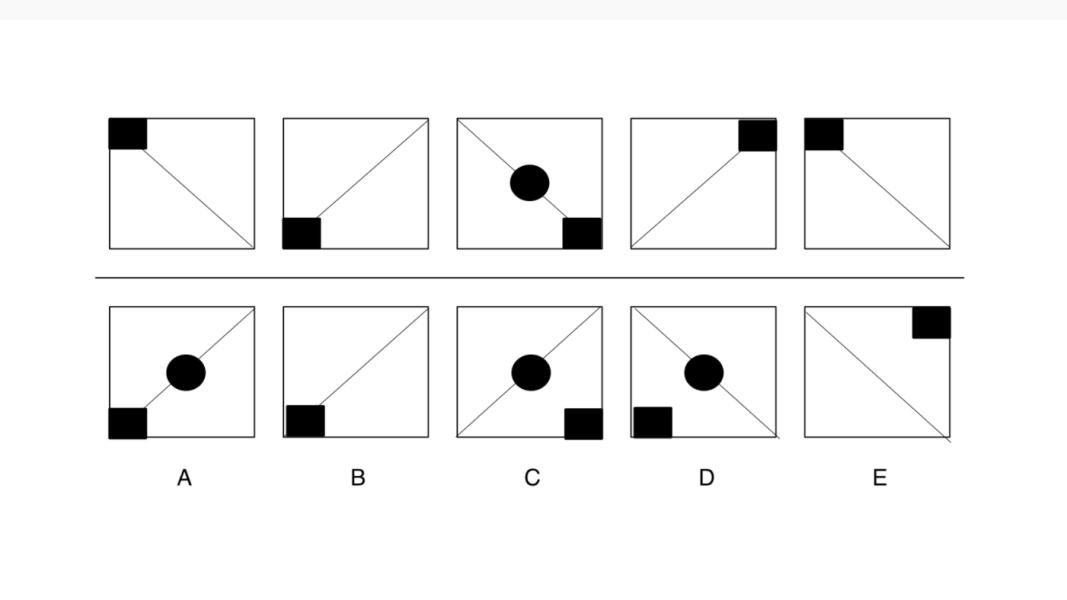
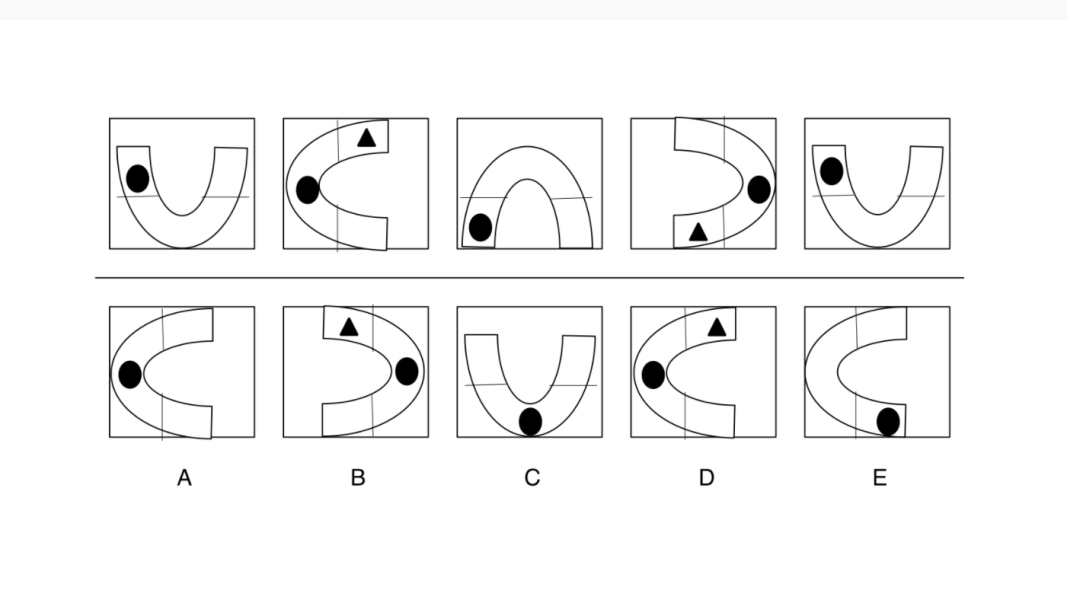
An abstract reasoning test is an assessment that uses shapes and patterns to assess your problem-solving skills and ability to spot logical series. For example, you might need to select which image completes a sequence, is missing from the overall picture, or doesn’t correlate to the other images shown.
The answers on an abstract reasoning exam are usually multiple-choice, but don’t be fooled into thinking this makes the process easier — you need to work quickly and accurately to identify the rule governing the pattern and complete all of the questions on the test.
To make things even more challenging, you will normally have a minute or less to answer each question.
Matrix reasoning
Matrix reasoning is one of the most common question types you’ll see in abstract reasoning tests, usually presented as a grid of shapes with one missing box. Your goal is to spot the rule and select the option that completes the pattern.
Because these questions are highly timed and appear frequently in real employer assessments, practising matrix reasoning is one of the most effective ways to improve your speed, accuracy, and overall abstract reasoning test score.
Boost your career prospects with abstract reasoning practice
Employers use abstract reasoning tests to assess candidates’ cognitive abilities, including their capacity for problem-solving, pattern recognition, and logical thinking. These tests help employers evaluate candidates’ potential to learn new concepts, adapt to unfamiliar situations, and think creatively.
Employers rely on abstract reasoning tests, as these abilities are essential for roles that involve complex problem-solving, innovative thinking, and strategic decision-making.
Common roles that rely on abstract reasoning
Abstract reasoning is valued in roles where people need to analyse unfamiliar information, spot patterns quickly, and make sound decisions under pressure. It’s especially common in industries such as:
- Technology
- Engineering
- Consulting
- Finance
- Data-driven sectors
Moreover, candidates’ abstract reasoning ability is frequently assessed for roles including:
- Software developers
- Engineers
- Analysts (data/financial/business)
- Consultants
- Project managers
- Graduate scheme candidates in fast-paced, problem-solving environments
Optimising your abstract reasoning practice
Preparing for the abstract reasoning test is really important, particularly as the test may throw up challenges and problems you’ve not encountered before.
First, we recommend finding out as much information as you can from the employer or recruiter who’s setting the test. Information such as the test publisher can help you get one step ahead of the rest.
Practising past tests is the best way you can familiarise yourself with the wording and format of the questions, the speed at which you’ll need to answer, and the skills you need to hone.
Once you’ve completed a practice test, it’s time to see how you did. Take confidence from your strengths and note down your weaker areas so you know where to focus your energies.
Common abstract reasoning test publishers
Below is a list of the major publishers of abstract reasoning tests. Click the links to find out more about each publisher.
Enquiring who publishes your test can give you an advantage, as you can familiarise yourself with the particular phrasing and formatting. That said, practising any type of abstract reasoning test will be beneficial.
If you want to try a practice an abstract reasoning test offline, you can download this Abstract Reasoning Test PDF.