


Published
When it comes to securing a job as a postman, the interview process plays a crucial role in determining your success.
To help you prepare effectively, this article will outline the top 10 postman interview questions you may be asked. By familiarizing yourself with these questions and understanding the expectations of a postman interview, you can increase your chances of performing well and landing the job.
What Is A Postman Interview?
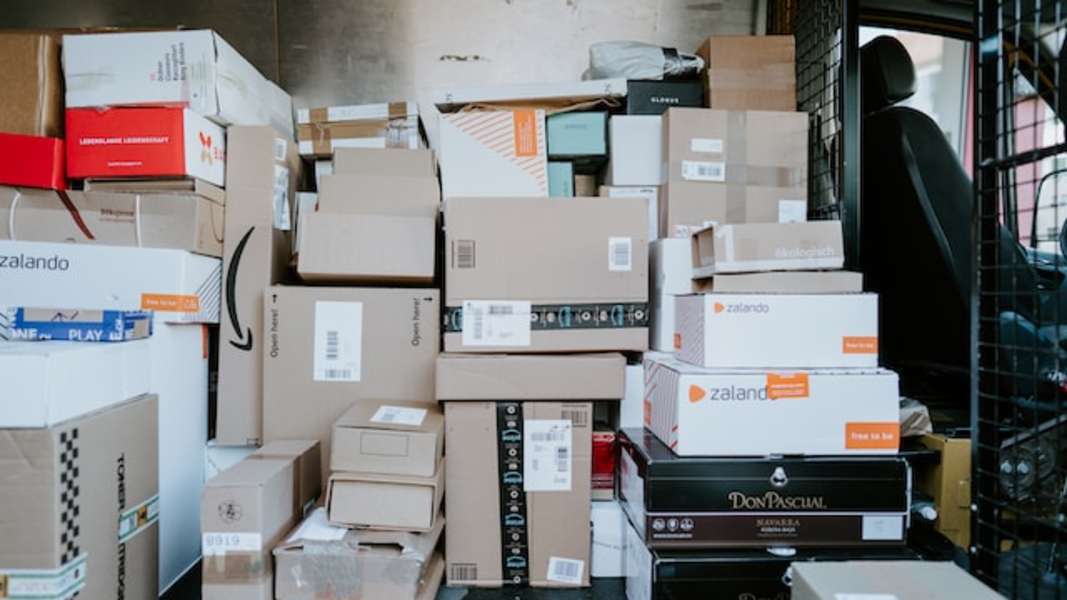
A postman interview is a formal discussion between a candidate and the hiring organization to assess the candidate’s suitability for the postman role. It is an opportunity for the employer to gauge the candidate’s competence and determine if they fit the role.
During the interview, the candidate will be evaluated on various aspects, including their knowledge of postal services, job responsibilities, interpersonal skills, and ability to handle challenging situations.
Why Is It Important?
The postman interview holds significant importance as it allows the employer to go beyond the information in the resume or application. It provides a platform to assess the candidate’s suitability for the position, both in terms of technical knowledge and personal attributes. The interview helps the employer identify candidates with the skills and qualities required to perform the job effectively.
Additionally, it allows the candidate to demonstrate their enthusiasm, professionalism, and ability to handle the responsibilities of a postman.
What To Expect (Format)
The format of a postman interview may vary depending on the organization conducting it. However, most interviews typically follow a similar structure.
In a postman interview, you can expect questions that assess your knowledge and skills related to the role of a postman. They often begin with an introduction and a brief overview of the role and the organization. This is followed by a series of questions to assess the candidate’s knowledge, skills, and suitability for the position.
Below is the general format you can expect when interviewing for a postman role.
Greeting and Introduction : The interviewer will greet the candidate and introduce themselves. They may also provide some information about the company and the position.
Rapport Building: The interviewer may start with a casual conversation to establish rapport and create a comfortable atmosphere. This can include discussing your background, interests, or any common topics of interest.
Background and Experience : The interviewer will typically ask questions to learn more about your education and previous work experience. This may involve discussing your resume or CV and asking specific questions about your skills and accomplishments.
Behavioral Questions : Behavioral questions aim to assess how the candidate has handled various situations in the past. These questions are designed to understand the candidate’s problem-solving skills, ability to work in a team, or customer service skills.
Job-Related Questions : As a postman, you’ll likely have to walk or drive long distances, carry heavy loads, and work in various weather conditions. Expect questions that assess your physical fitness and ability to handle the job’s demands.
Candidate Questions : The candidate may ask questions about the company, why they want to work there, the team, or the job they are interviewing for. This shows their interest in the position and helps them gather more information to decide if an offer is extended.
Closing : Towards the end of the interview, the interviewer may summarize the key points discussed. They may also provide information about the next steps in the hiring process, such as additional interviews or the timeline for making a decision.
10 Questions You Might Be Asked In A Postman Interview
Here are ten questions you may get asked in an interview, along with some tips on answering them.
1. Why are you interested in working as a postman?
Highlight your passion for working outdoors, interacting with people, and the importance of reliable mail delivery in supporting communities.
2. Can you describe your previous experience that is relevant to the role of a postman?
Discuss any previous jobs that required customer service, physical stamina, attention to detail, and time management skills. Emphasize any experience in a similar delivery or courier role.
3. How do you handle challenging situations, such as inclement weather or difficult customers?
Share your ability to stay calm under pressure and adapt to different circumstances. Discuss your customer service approach, focusing on empathy, active listening, and finding solutions to problems.
4. What steps do you take to ensure accurate and timely delivery of mail?
Explain your organizational skills and attention to detail when sorting and verifying addresses. Discuss your commitment to following established delivery routes and procedures to ensure efficiency and accuracy.
5. Can you describe a time when you encountered a delivery issue and how you resolved it?
Share a specific example where you faced a delivery challenge, such as an incorrect address or a package that required special handling. Describe how you proactively communicated with the recipient, contacted supervisors or relevant parties, and found a resolution.
6. How do you prioritize your daily tasks and manage time effectively?
Explain your ability to plan and organize your delivery route efficiently, considering factors such as time constraints and geographical location. Discuss your approach to balancing time spent on deliveries and administrative tasks.
7. Safety is a crucial aspect of this role. How do you ensure your safety while on the job?
Highlight your awareness of potential hazards and your commitment to following safety protocols. Mention any previous safety training or certifications you have obtained, and emphasize your ability to maintain situational awareness while on the job.
8. How would you handle a situation where you cannot deliver an item due to a recipient’s absence?
Describe your approach to leaving delivery notices, rescheduling delivery attempts, or redirecting the package to a designated location. Emphasize your commitment to ensuring the safe delivery of items while minimizing inconvenience for recipients.
9. What qualities do you believe are essential for a successful postman?
Mention key attributes such as reliability, responsibility, honesty, good communication skills, and the ability to work independently. Highlight the importance of being customer-oriented and having a strong work ethic.
10. How do you stay updated with changes in postal regulations and procedures?
Discuss your proactive approach to learning and staying informed. Mention your willingness to attend training sessions, read official publications or bulletins, and actively engage with colleagues to exchange knowledge and best practices in the industry.
Tips for Acing Your Postman Interview
Research the company and the role
Before your Postman interview, take the time to thoroughly research the company and familiarize yourself with its products, services, and mission.
Additionally, understand the requirements and responsibilities of the postman role you are applying for. This knowledge will demonstrate your genuine interest in the company and show you are well-prepared.
Highlight your communication and problem-solving skills
Effective communication is essential as a postman. During the interview, emphasize your strong communication skills, both written and verbal.
Talk about experiences where you have effectively resolved customer inquiries or addressed issues. Postmen often encounter challenges on the job, so be prepared to provide examples of how you have solved problems or handled difficult situations in the past.
Demonstrate your knowledge of postal regulations and procedures
Familiarize yourself with the regulations and procedures that govern postal services in your country or region. This includes understanding mail sorting processes, delivery routes, safety protocols, and any specific requirements for handling different types of mail or packages.
Displaying knowledge of these regulations during the interview will show that you are well-prepared and understand the role.
Show enthusiasm and a customer-centric mindset
Postmen are often the face of the postal service, and providing excellent customer service is crucial. During the interview, convey your enthusiasm for working with customers and dedication to providing a positive experience.
Share stories or examples of situations where you have gone above and beyond to ensure customer satisfaction. Highlight your ability to remain calm under pressure and your commitment to delivering mail accurately and on time.