


Published
If you’re interviewing for a retail job, congratulations! Retail jobs are great for outgoing people who enjoy working in a past-faced environment, and helping others find what they need.
Whether you’re a seasoned retailer or interviewing for your first retail job, interviews can be tough. To help you prepare, we’ve compiled a list of the 10 most common retail interview questions and what to look out for in the interviewer’s responses.
1. How would you describe your customer service style?
When you go into a retail interview, the interviewer is going to want to know what kind of customer service style you have.
Before you answer, think about what kind of customer service style you actually have. Are you helpful and friendly? Or are you more reserved and professional?
Once you’ve thought about your own customer service style, try to give a few examples of times when you’ve used it effectively. For example, maybe you helped a customer find the perfect product, or handled a difficult situation in a calm and collected manner.
Finally, avoid clichés like “I always put the customer first” or “I’m always willing to go the extra mile”. Just be authentic and try to show your enthusiasm for the role.
2. What personal characteristics are important in sales?
When interviewers ask about personal characteristics that are important in sales, they usually want to know if you have the personality traits needed to succeed in retail.
Here are a few examples of key personal characteristics in sales:
-
Enthusiasm - a great salesperson is passionate about their products and enthusiastic about helping customers find the perfect solution for their needs.
-
Persistence - the best salespeople are those who never give up and they continue working until they find a way to close the deal.
-
People skills - sales are all about building relationships with customers, so it’s important that you have strong people skills.
3. What are some of the most challenging aspects of retail work?
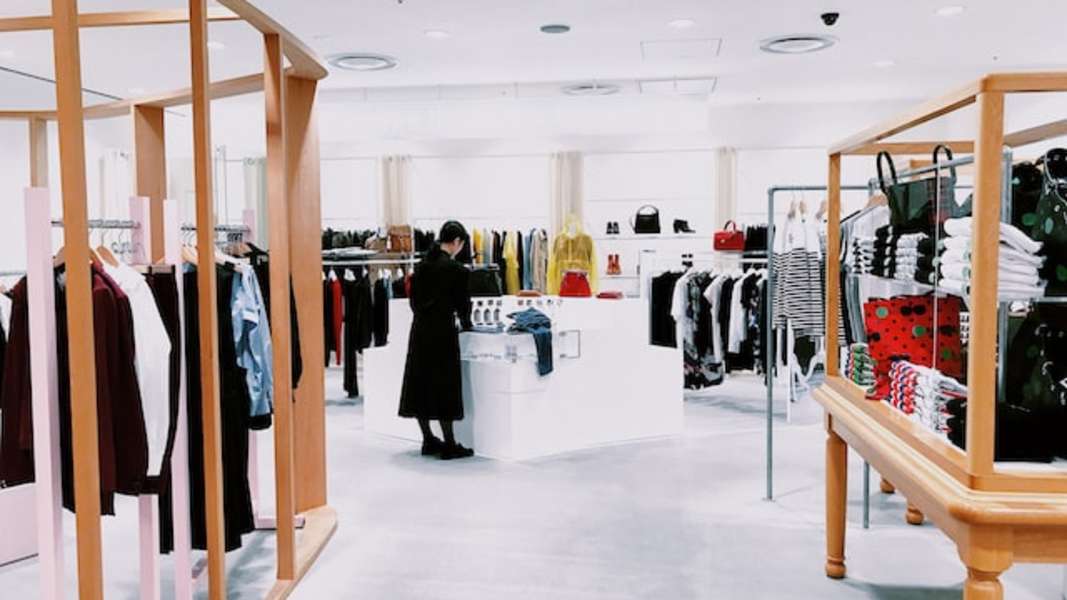
Answering this question can be tricky. On one hand, you don’t want to come across as negative or unenthusiastic about the role. On the other hand, you don’t want to lie and say that there are no challenges when there clearly are - no one will believe you!
The best strategy is to just be honest. Explain what aspects you find challenging but also mention what techniques you use to overcome these challenges and effectively perform your duties.
4. What do you feel is the key to successful selling?
While there are many different approaches and strategies that can be effective when selling, there are a few key things that all great salespeople have in common.
First and foremost, successful selling is all about establishing trust and rapport with the customer. If customers don’t feel comfortable with you or believe that you have their best interests at heart, they’re not going to be open to what you have to say.
Secondly, effective salespeople need to have a strong understanding of both their product and their competition. This allows them to tailor their approach to what is most meaningful and important to the customer.
And lastly, selling requires persistence and follow-through. Even if a prospect doesn’t buy now, they might later on.
5. Why do you want to work in retail?
Chances are you’ll be asked in the interview why you want to work in retail. So, take a step back and think about why you’re interested in this industry.
There are a few reasons why people choose retail careers: they enjoy working with the public, they like the fast-paced environment, or they appreciate the opportunity to work with products and sales.
Once you’ve identified your reason for wanting to work in retail, it will be easier to articulate it to your interviewer. For example, if you enjoy working with people, tell the interviewer that you’re looking for a job where you can interact with customers and help them find what they need.
You should also highlight your relevant skills. If you have experience working in customer service or sales, be sure to mention that. Even if you don’t have direct experience in retail, you can still talk about transferable skills that would make you successful in this role, such as teamwork, communication or adaptability.
6. What do you think sets our store apart from others?
The interviewer is likely to ask you what you think sets their store apart from others.
Before the interview, do your research. Find out as much as you can about the store. Take a look at their website, social media and any other online resources. This will help you understand the store’s unique selling points.
When you’re in the interview, be honest and enthusiastic in your answer. Talk about what drew you to the store in the first place. For example, if you love their selection of eco-friendly products, say so!
Finally, be sure to emphasize why you think customers should shop at this particular store. What makes it special? Why would someone want to buy from this store over another?
7. What is your availability?
When discussing your availability, be sure to emphasize that you’re flexible. Retail jobs often require employees to work weekends and evenings, so let them know that you’re willing and able to work those shifts.
8. Tell me about a time when you had to deal with an upset customer

When interviewers ask you about how you’ve handled an upset customer, they’re looking for more than just a story. They want to see how you stay calm under pressure, how you defuse difficult situations, and how you handle customer complaints.
You can start by giving a brief overview of the situation. Why was the customer upset? How did you first notice that there was a problem?
Then, describe how you handled the situation. What steps did you take to try and resolve the issue? Did you talk to a manager or supervisor? How did you stay calm throughout the interaction?
Lastly, explain what the outcome was. Was the customer satisfied in the end? What did you learn from the experience?
9. How would you handle a situation where a customer was unsatisfied with their purchase?
You may be asked how you would handle a situation where a customer was unsatisfied with their purchase.
You can start your answer by saying that you’d try to empathize with the customer and understand their point of view. It’s important to show that you’re willing to listen to the customer and understand their concerns.
Next, explain what you would do to resolve the issue. Be specific about the steps you would take to make the customer happy.
Finally, emphasize your commitment to excellent customer service. Explain that you always aim to provide a positive experience for customers, and that you would do whatever it takes to resolve the issue.
10. What are your career goals?
The interviewer is bound to ask about your career goals. After all, they want to know if you’re planning on sticking around or if you’ll move on as soon as something better comes along.
So, how should you answer this question?
First, take a step back and think about your long-term goals. What do you want to achieve in your career? Do you see yourself moving up the ranks at the company you’re interviewing with? Or are you looking to gain experience in the retail industry before moving on to something else?
Once you have a good understanding of your goals, you can craft an answer that will impress the interviewer.
Don’t forget to talk about how the retail position you’re applying for fits into your larger career plans.